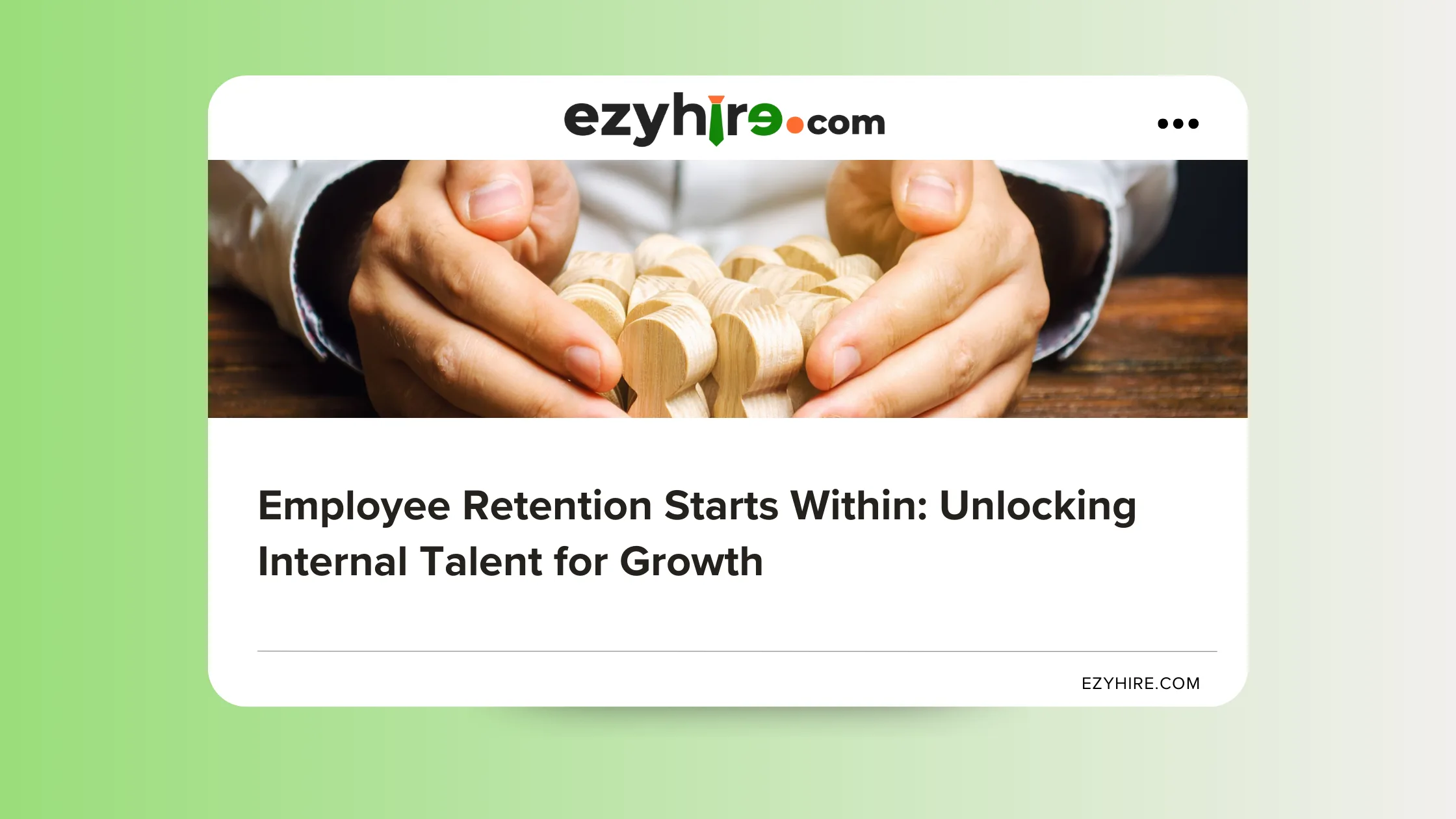

What is the single biggest threat to your company’s growth? Many leaders assume it is fierce competition, market downturns, or disruptive technologies. The reality is far more personal. The greatest risk to your growth is the untapped potential of employees quietly walking out your door every day.
While organizations spend heavily on external recruitment, with the average cost per hire reaching $4,700, their most valuable people are updating resumes and looking elsewhere. The number one reason employees leave is not pay, perks, or office location. It is the lack of career development and advancement opportunities.
Research shows that 93 percent of employees would stay longer at a company that invests in their careers. Yet most organizations remain caught in a cycle of overspending on external hires while ignoring the rich talent pool they already employ.
This disconnect is costly. Companies pay 18 to 20 percent more to bring in external hires, who often take longer to adapt and ramp up. Meanwhile, high-potential employees inside the business feel overlooked, stagnant, and disengaged.
It is time to change the narrative. Instead of reacting to turnover, companies must proactively nurture the talent they already have. The solution lies in shifting from guesswork to intelligence, using data-driven employee assessments to uncover hidden potential, identify skill gaps, and build transparent career paths. This approach transforms assessments from a hiring filter into a powerful engine for retention and growth.
Why Internal Talent is the Future of Workforce Strategy
When companies think about growth, they often picture scaling teams by hiring externally. While external recruitment remains important, over-reliance on it creates unnecessary costs and churn. Internal talent development offers several advantages that external hiring simply cannot match.
1. Lower Cost of Development vs. Recruitment
The cost of training an existing employee is significantly lower than the combined expense of recruitment, onboarding, and ramp-up for an external hire.
2. Faster Ramp-Up Time
Internal employees already understand company culture, processes, and goals. They need less time to adapt, allowing them to deliver impact faster.
3. Stronger Retention Rates
Employees who see clear career opportunities are more loyal. By offering growth paths, companies dramatically reduce turnover.
4. Preserved Institutional Knowledge
When employees leave, they take critical know-how and client relationships with them. Investing in internal talent preserves and strengthens this knowledge base.
Internal development is not just an HR initiative. It is a business growth strategy. And the key to unlocking it is clear, objective data about the skills and potential of your workforce.
From Blind Spots to Blueprint: Why Skills Inventories Matter
You cannot develop what you cannot see. For most companies, the biggest challenge is visibility. Managers rely on gut instinct or outdated performance reviews, leaving blind spots around employees’ true capabilities.
A skills inventory changes this. It creates a centralized database of employee capabilities, spanning technical expertise, soft skills, leadership potential, and cognitive abilities. This inventory becomes the strategic blueprint for workforce planning, training investments, and succession management.
Ezyhire’s AI-powered assessment platform was originally built for pre-hire screening. But its true power is revealed when applied internally. It enables organizations to:
- Map employee skills objectively and at scale
- Uncover hidden strengths in overlooked team members
- Identify critical capability gaps that threaten business goals
- Eliminate bias with data-driven insights
This visibility transforms internal talent management from reactive guesswork into a structured, proactive growth strategy.
The Ezyhire Blueprint for Internal Growth: Two-Pillar Strategy
Once you decide to focus inward, the path to sustainable talent growth rests on two pillars: strategic skill gap analysis and data-driven career pathing. Both are powered by objective assessment data.
Pillar 1: Illuminate the Path with Skill Gap Analysis
A skill gap analysis bridges the disconnect between current workforce capabilities and the skills needed to achieve future business goals.
Step 1: Define the Future State
Leadership and HR teams must identify the core competencies required for long-term success. For example:
- Expanding into artificial intelligence may require stronger data science expertise.
- Building a global brand may require multilingual communication skills.
- Developing future leaders requires advanced decision-making and strategic thinking.
This step defines what skills are needed for the business to thrive.
Step 2: Deploy Targeted Assessments
Next, companies must measure current employee skills against those future requirements. Ezyhire’s assessment library allows organizations to evaluate employees across multiple dimensions:
- Technical Skills: Proficiency in coding languages, analytics tools, software systems, or industry-specific platforms.
- Cognitive Abilities: Problem-solving, adaptability, and critical thinking skills that signal future potential.
- Leadership Potential: Behavioral and situational assessments that identify employees ready to take on greater responsibility.
- Soft Skills: Communication, teamwork, and emotional intelligence, which drive collaboration and productivity.
Step 3: Visualize and Act on the Gaps
Ezyhire’s analytics engine transforms raw assessment data into actionable insights. Dashboards highlight skill strengths, gaps, and opportunities at the individual, team, and organizational level. This objective data provides a clear and undeniable map of where development is most needed.
With this map in hand, leaders can prioritize training investments, design targeted programs, and align workforce development with strategic goals.
Pillar 2: Build the Future with Data-Driven Career Pathing
Knowing the gaps is only half the solution. Employees must also see a clear path forward. Career pathing is the process of building transparent, structured growth opportunities inside the organization.
Step 1: Create Competency Frameworks
Using assessment data, companies can build competency frameworks for each role. These frameworks clearly define the skills and proficiency levels required for advancement. Employees gain transparency into exactly what it takes to move up.
This clarity replaces career ambiguity with structured opportunity, making employees more motivated and engaged.
Step 2: Personalize Development Plans
Traditional one-size-fits-all training programs often fail to engage. Assessment data enables personalized learning paths for every employee.
For example:
- An employee strong in technical skills but weak in communication can be guided toward public speaking workshops or mentorship programs.
- An emerging leader can be placed on internal stretch projects to build managerial skills.
- A mid-career employee looking to pivot can be given access to targeted reskilling programs.
This personalization maximizes learning impact and builds employee loyalty.
Step 3: Empower Managers as Career Coaches
Managers play a pivotal role in retention. Yet many managers lack the tools to have meaningful career conversations. Assessment data equips them with objective insights to guide employees.
Instead of vague feedback, managers can point to concrete strengths and areas of growth. Together, they can co-create realistic career plans that align with business needs and personal aspirations. This data-driven coaching culture transforms managers from task supervisors into career development partners.
The Cost of Ignoring Internal Talent
Companies that neglect internal development often face three painful consequences:
- High Turnover: Employees leave in search of growth opportunities, creating costly churn cycles.
- Escalating Recruitment Costs: Heavy reliance on external hiring drives expenses higher each year.
- Lost Competitive Edge: Companies without clear talent pipelines struggle to adapt to changing markets.
By contrast, organizations that invest in data-driven internal development enjoy stronger retention, higher employee engagement, and a steady supply of ready talent.
How Ezyhire Transforms Retention and Growth
Ezyhire’s AI-powered assessment platform gives companies the data and tools to shift from external dependency to internal empowerment. By integrating workforce assessments into everyday talent management, companies can:
- Build dynamic skills inventories that evolve with the business
- Continuously monitor and address capability gaps
- Create transparent and motivating career pathways
- Reduce turnover and recruitment costs
- Unlock innovation by elevating diverse, high-potential employees
The result is a sustainable talent ecosystem where growth comes not just from who you hire but from who you build.
The ROI of Looking Inward: The Business Case for Internal Mobility
Shifting your focus from external recruitment to internal development isn’t just a cultural initiative—it’s a powerful financial strategy with a clear and compelling return on investment.
| Strategic Benefit | The Bottom-Line Impact |
| Drastically Reduced Hiring Costs | Internal promotions can cost 60-70% less than external hires, saving thousands on agency fees, advertising, and onboarding for every role you fill from within. |
| Massively Increased Employee Retention | Companies that offer career pathing see 34% higher retention rates. With the cost of replacing an employee ranging from 50-200% of their salary, this translates to enormous savings. |
| Accelerated Time-to-Productivity | Internal hires are already familiar with your culture, systems, and people. They reach full productivity in 2-3 months, compared to the 6-12 months it often takes for external hires. |
| Enhanced Agility and Innovation | Promoting internal mobility creates a cross-pollination of ideas and knowledge as employees move between teams, fostering innovation and making your organization more adaptable to change. |
Stop Losing Your Best People. Start Building Them.
Your employees are not just resources. They are your greatest competitive advantage. But that advantage only materializes when you invest in them.
The tools you already use for external recruitment can become the same tools that unlock the full potential of your existing workforce. Instead of fueling a revolving door of preventable turnover and costly external hiring, companies must commit to building a culture of opportunity, loyalty, and growth.
It is time to stop treating employee development as optional. It is the cornerstone of retention, innovation, and sustainable success.
Discover the hidden talent already within your organization. Schedule a demo of Ezyhire today and see how our assessment platform can become the foundation of your internal mobility and retention strategy.