
Introduction
Hiring the right employees is one of the most important responsibilities of any organization. While recruitment teams focus on finding candidates with the right skills and experience, verifying the identity of those candidates is equally important. Without proper verification, companies risk onboarding individuals who may have provided false information or fraudulent documentation.
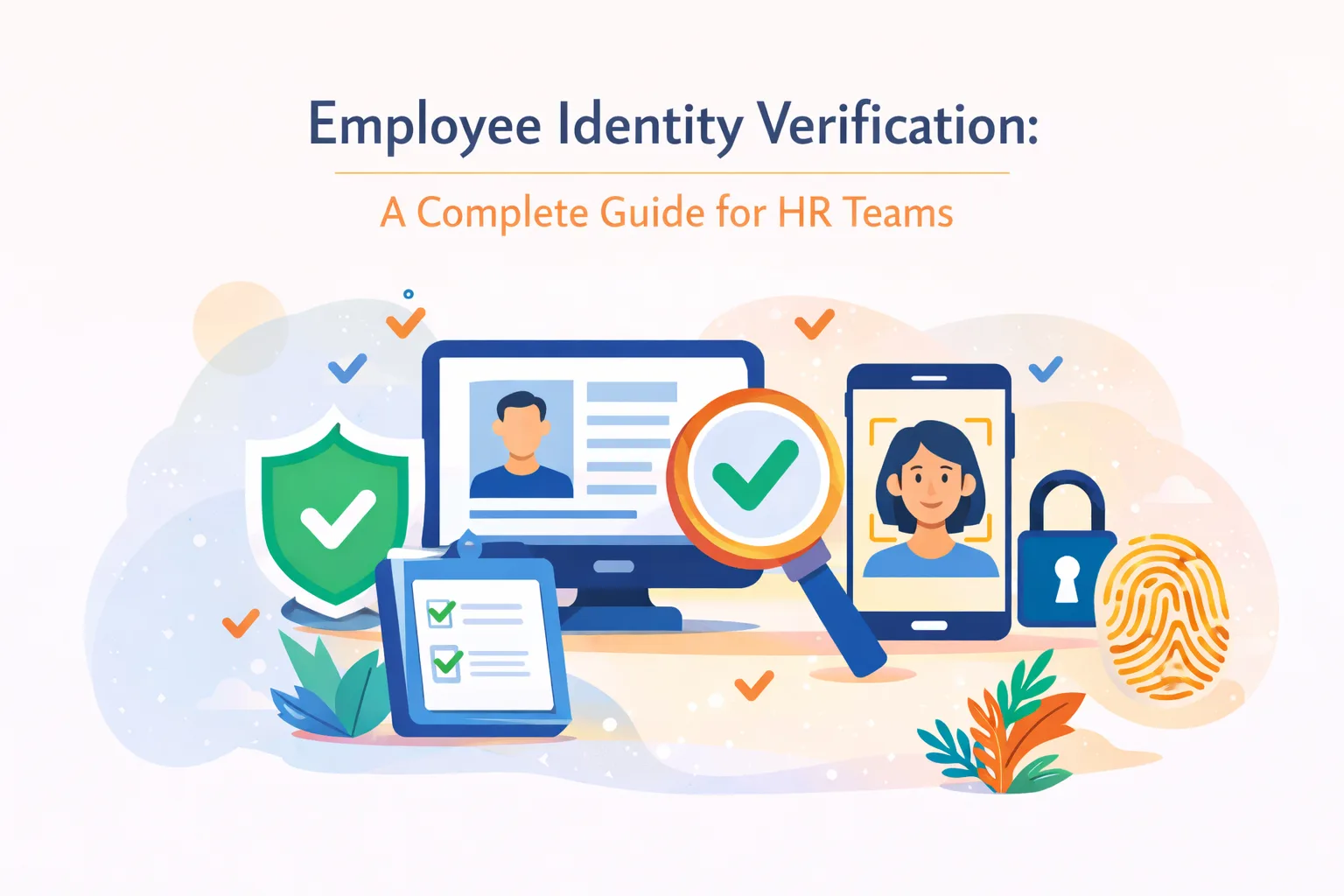
Employee identity verification is the process of confirming that a candidate is truly who they claim to be before they are officially hired. With the rapid growth of remote hiring and digital onboarding processes, identity verification has become a critical security measure for organizations worldwide.
For HR teams, identity verification is no longer just a procedural formality. It is a vital step that helps protect company data, ensure regulatory compliance, and prevent hiring fraud. Modern digital verification tools now allow HR departments to verify employee identities quickly and accurately, making the onboarding process both secure and efficient.
What Is Employee Identity Verification?
Employee identity verification is the process of validating the authenticity of a candidate’s identity during the hiring process. This involves verifying personal information and confirming that identity documents submitted by the candidate are legitimate.
Traditionally, HR teams verified identity documents manually during in-person onboarding sessions. Candidates would present their government-issued identification, and HR personnel would check whether the documents appeared genuine.
However, with remote hiring becoming increasingly common, companies must rely on digital verification tools that can authenticate documents and confirm identities without requiring physical presence.
Digital identity verification systems typically verify documents such as:
- Passports
- National identity cards
- Driver’s licenses
- Address proof documents
- Tax identification numbers
These systems analyze documents using advanced technologies such as artificial intelligence and machine learning to detect signs of tampering or fraud.
Why Identity Verification Is Essential for HR Teams
Employee identity verification plays a critical role in protecting organizations from hiring risks. Without proper verification procedures, companies may unknowingly hire individuals using false identities.
There are several reasons why identity verification is essential.
Preventing Hiring Fraud
Hiring fraud occurs when candidates misrepresent their identity or provide fake documents during recruitment. Fraudulent employees can gain access to sensitive company systems and data.
Identity verification ensures that the individual being hired is legitimate and that their documents are authentic.
Ensuring Regulatory Compliance
Many industries require companies to verify the identity of employees for regulatory and legal reasons. Failure to comply with these regulations can lead to penalties and legal complications.
Identity verification helps organizations maintain compliance with employment and security regulations.
Protecting Company Assets
Employees often have access to confidential company information, financial systems, and internal databases. Verifying identities helps ensure that only legitimate employees gain access to these resources.
Improving Hiring Accuracy
Identity verification also improves hiring accuracy by ensuring that HR teams make decisions based on verified information.
Common Identity Fraud Risks in Hiring
Organizations face several types of identity fraud risks during the hiring process.
Fake Identity Documents
Some candidates may submit forged identity documents to hide their true identity or past records.
Identity Theft
Fraudsters may use stolen identities to apply for jobs, making it difficult for employers to detect fraudulent activity.
Impersonation
In remote hiring environments, a candidate may attend interviews on behalf of another individual.
False Credentials
Candidates may submit fake educational certificates or employment records along with fraudulent identity documents.
These risks make identity verification an essential step in modern recruitment processes.
How Digital Identity Verification Works
Digital identity verification platforms automate the process of verifying candidate identities. These platforms use advanced technology to analyze documents and confirm authenticity.
The process typically includes several steps.
Document Submission
Candidates upload identity documents through a secure online platform during onboarding.
Document Authentication
Artificial intelligence analyzes the documents to detect signs of tampering, forgery, or manipulation.
Biometric Verification
Many systems require candidates to submit a live selfie or video. Facial recognition technology then compares the live image with the photo on the identity document.
Database Validation
The system may also verify identity details against trusted databases to confirm accuracy.
Verification Report
Once the verification process is complete, HR teams receive a report confirming whether the identity has been successfully verified.
Benefits of Digital Identity Verification for HR Teams
Digital identity verification tools provide several benefits for HR departments.
Faster Onboarding
Automated verification processes significantly reduce the time required to verify employee identities.
Reduced Administrative Work
HR teams no longer need to manually review documents or perform extensive verification checks.
Improved Security
AI-powered verification tools can detect fraud more accurately than manual checks.
Better Candidate Experience
Candidates can complete verification steps quickly without visiting offices or submitting physical paperwork.
Best Practices for Employee Identity Verification
Organizations should implement structured identity verification processes to ensure hiring security.
Some best practices include:
- Verifying identity documents during onboarding
- Using automated identity verification platforms
- Conducting background verification checks
- Maintaining secure verification records
- Ensuring compliance with employment regulations
These practices help organizations maintain secure and reliable hiring processes.
Conclusion
Employee identity verification has become a fundamental component of modern hiring processes. As organizations adopt remote hiring and digital onboarding, verifying candidate identities is more important than ever.
By implementing digital identity verification solutions, HR teams can prevent fraud, improve hiring accuracy, and ensure secure onboarding. Companies that prioritize identity verification not only protect their operations but also build a more trustworthy and secure workforce.