
Introduction
Hiring fraud has become a growing concern for organizations across industries. As recruitment processes increasingly move online, businesses face greater risks from fraudulent candidates attempting to secure employment using fake identities, forged documents, or stolen credentials.
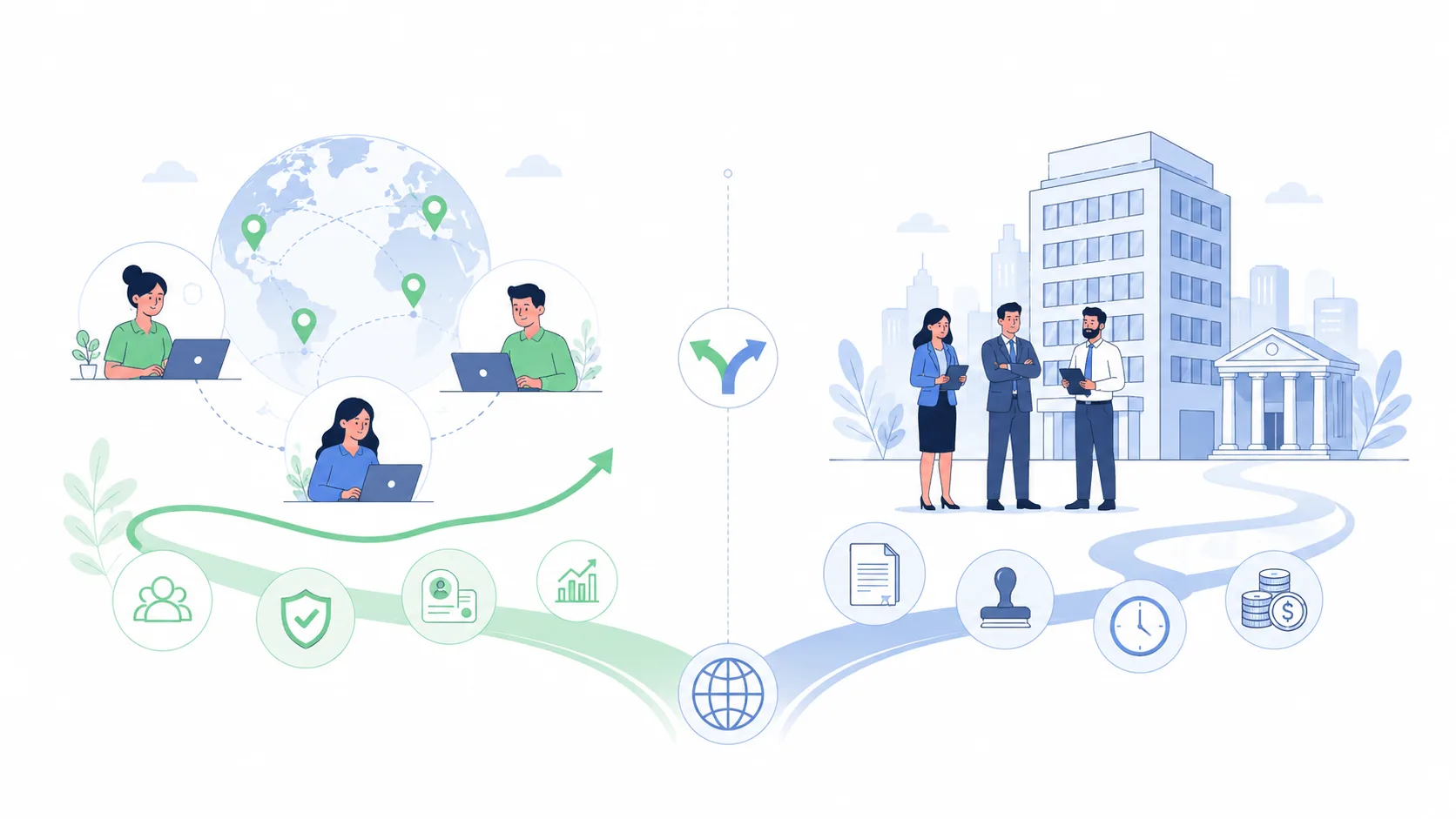
Modern hiring environments often involve remote interviews, digital onboarding, and virtual documentation submissions. While these processes improve efficiency and enable global hiring, they also create opportunities for fraudsters to exploit weaknesses in verification procedures.
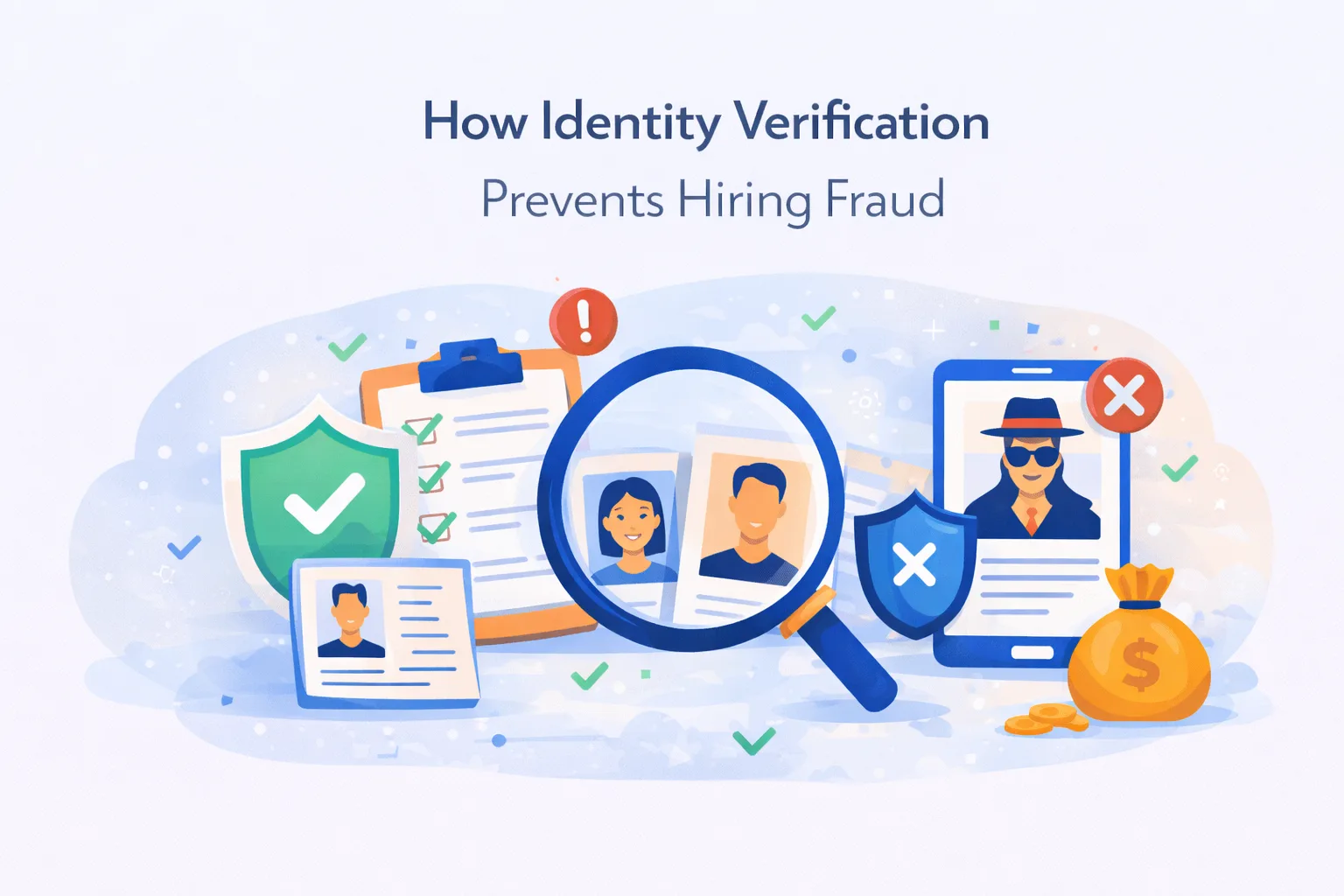
Identity verification plays a critical role in preventing hiring fraud by ensuring that candidates are genuinely who they claim to be. By validating identity documents, verifying biometric information, and confirming personal data, organizations can detect fraudulent identities early in the hiring process.
For HR teams, implementing strong identity verification processes is essential to maintaining secure hiring practices and protecting company assets.
Understanding Hiring Fraud
Hiring fraud occurs when job applicants intentionally misrepresent their identity or qualifications to obtain employment. Fraudulent candidates may use falsified documents, impersonate another individual, or provide misleading personal information.
Several factors contribute to the rise of hiring fraud, including the increase in remote hiring, access to sophisticated document forgery tools, and the growing availability of stolen identity data online.
Organizations that fail to detect fraudulent identities during recruitment may face significant risks, including data breaches, financial loss, reputational damage, and regulatory consequences.
Because employees often gain access to company systems, confidential information, and internal resources, verifying identities during hiring is crucial for maintaining workplace security.
Common Types of Hiring Fraud
Hiring fraud can take many forms. Understanding the most common types helps organizations implement effective prevention strategies.
Fake Identity Documents
Some candidates submit forged identity documents such as manipulated passports or falsified government IDs. These documents may appear legitimate at first glance but contain subtle alterations.
Digital identity verification systems can detect such manipulations by analyzing document security features, fonts, and image inconsistencies.
Identity Theft
Fraudsters may use stolen personal information to apply for jobs. In these cases, the individual applying may not be the legitimate owner of the identity being used.
Biometric verification technologies help detect identity theft by confirming that the individual presenting the document matches the identity on the document.
Interview Impersonation
In remote hiring scenarios, one person may attend interviews while another person eventually joins the company after being hired. This type of fraud is particularly common in technical roles.
Identity verification combined with biometric authentication can help ensure that the same individual completes both interviews and onboarding.
Fake Credentials
Fraudulent candidates may submit falsified educational certificates or employment records. While credential verification addresses this issue, identity verification ensures the individual submitting those credentials is legitimate.
Why Hiring Fraud Is Increasing
The rise of remote hiring has made identity verification more challenging. In traditional hiring environments, HR teams could inspect documents in person and verify identities during face-to-face meetings.
Remote hiring eliminates these opportunities for physical verification.
Additionally, modern document editing tools make it easier to create realistic-looking fake identity documents. Fraudsters may also purchase stolen identity data from illegal online marketplaces.
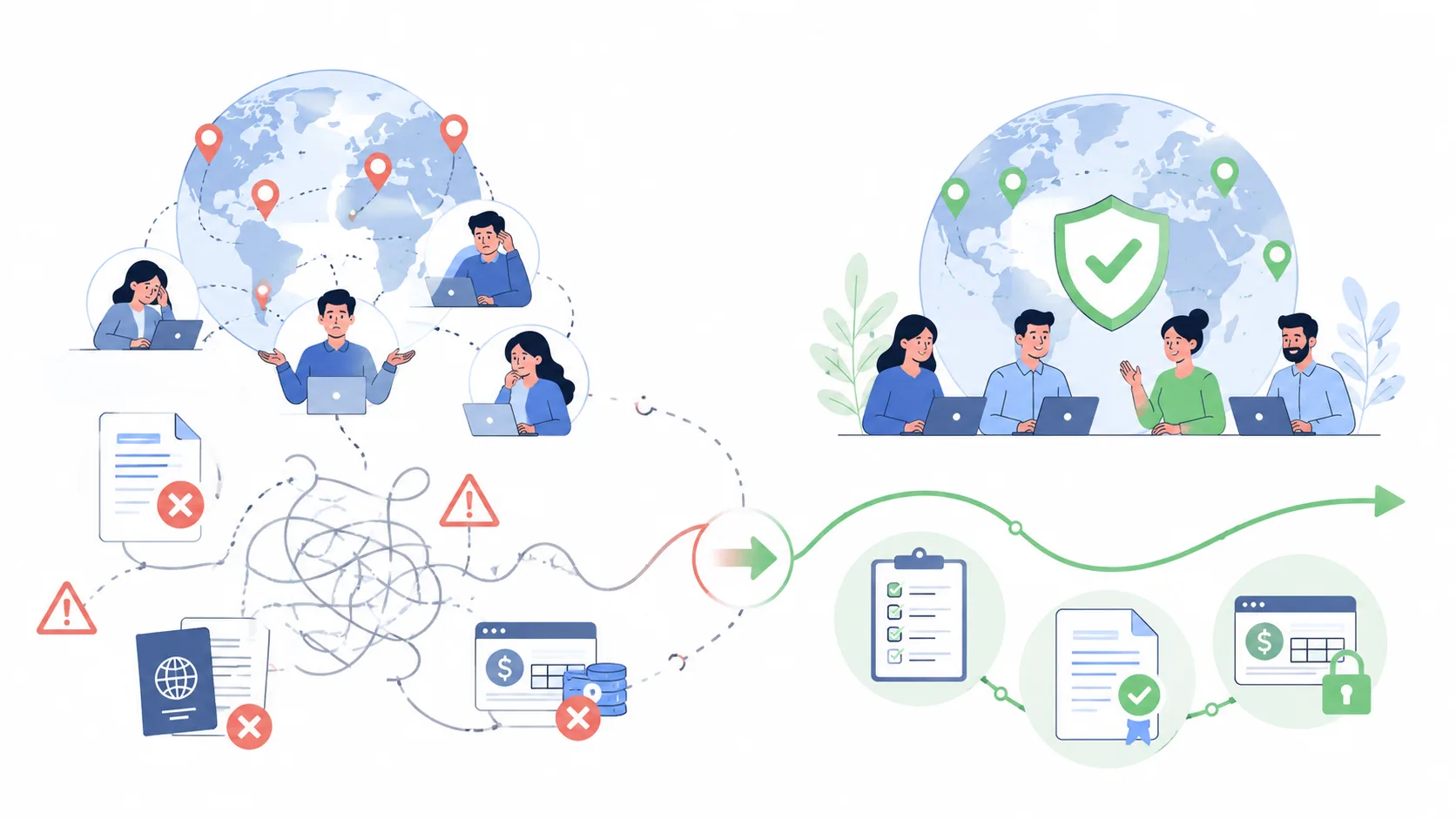
As organizations expand their hiring globally, verifying identities across different countries and document formats becomes even more complex.
These challenges highlight the importance of adopting digital identity verification solutions.
How Identity Verification Helps Prevent Hiring Fraud
Identity verification platforms use advanced technologies to authenticate identities and detect fraudulent activity.
Document Authentication
Identity verification systems analyze uploaded identity documents using artificial intelligence. These systems detect signs of manipulation such as altered images, inconsistent fonts, or missing security elements.
This process helps identify forged identity documents before candidates are onboarded.
Biometric Verification
Biometric authentication confirms that the person submitting identity documents is the same individual shown on the document.
Candidates typically submit a live selfie or video that is compared with the photo on their identity document using facial recognition technology.
Data Validation
Verification systems cross-check personal information against trusted databases to confirm that the identity information is accurate.
This additional layer of validation reduces the likelihood of accepting fraudulent identities.
Automated Verification Reports
Once identity verification is complete, HR teams receive a verification report indicating whether the identity has been successfully validated.
These reports help organizations make informed hiring decisions.
Benefits of Identity Verification for Businesses
Implementing identity verification provides several benefits beyond fraud prevention.
Stronger Hiring Security
Identity verification ensures that only legitimate candidates gain access to company systems and resources.
Faster Onboarding
Automated verification processes allow HR teams to verify identities quickly, reducing delays in the onboarding process.
Reduced Hiring Risks
Detecting fraudulent identities early prevents potential security threats within the organization.
Improved Compliance
Many industries require organizations to verify employee identities as part of regulatory compliance. Identity verification helps companies meet these requirements.
Role of Modern Identity Verification Platforms
Modern verification platforms provide automated solutions that simplify the verification process for HR teams.
Solutions like EzyHire enable organizations to verify employee identities quickly while integrating verification processes directly into hiring workflows. These platforms combine document authentication, biometric verification, and background verification capabilities to ensure secure onboarding.
By adopting digital verification tools, organizations can reduce manual verification efforts while improving fraud detection accuracy.
Best Practices to Prevent Hiring Fraud
Organizations can strengthen their hiring security by implementing several best practices.
- Use automated identity verification tools during onboarding
- Combine identity verification with background verification checks
- Implement biometric authentication for remote hiring
- Maintain secure records of verification reports
- Train HR teams to recognize potential fraud indicators
These practices help organizations detect fraudulent activity early and maintain secure hiring processes.
Conclusion
Hiring fraud poses a serious risk to organizations operating in today’s digital recruitment landscape. Fraudulent candidates may attempt to exploit remote hiring processes by submitting fake identities or forged documents.
Identity verification provides an effective solution for preventing these risks. By validating identity documents, confirming biometric data, and verifying personal information, organizations can ensure that candidates are genuine.
Companies that implement strong identity verification processes not only protect their operations but also build more secure and trustworthy workforces.