
Introduction
Identity verification has become a cornerstone of modern digital business operations. As companies increasingly hire remotely and onboard employees digitally, verifying that individuals are truly who they claim to be has become more challenging than ever before.
In the past, identity verification meant checking physical documents during in‑person meetings. However, with global hiring, remote teams, and distributed workforces becoming standard practice, businesses now need faster and more reliable digital solutions.
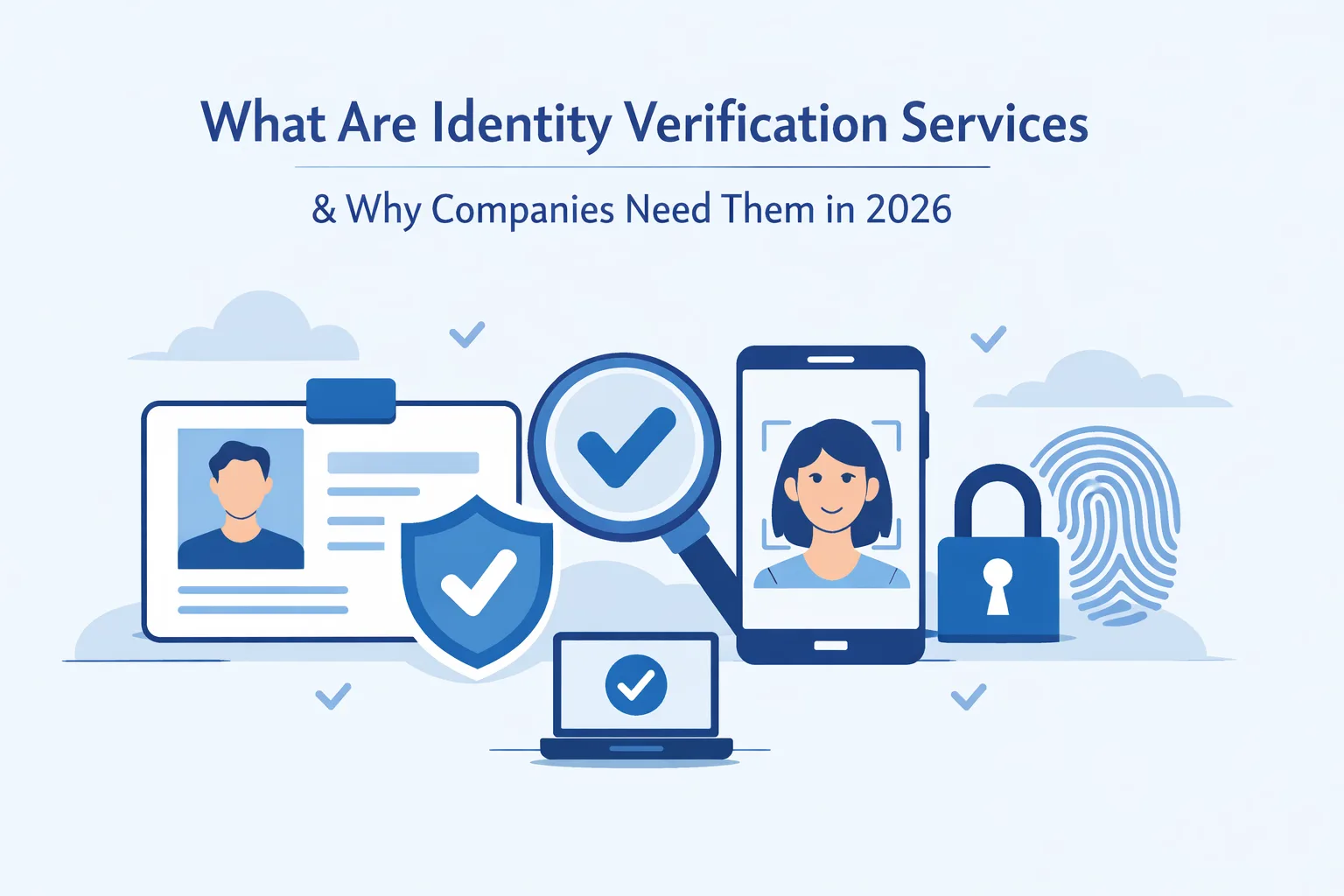
Identity verification services provide companies with the tools needed to authenticate identities using advanced technologies such as artificial intelligence, biometric authentication, and secure document validation. These systems help organizations reduce fraud, streamline onboarding, and ensure compliance with regulatory requirements.
In 2026, identity verification will no longer be considered optional. It will be a core part of secure hiring, workforce management, and digital trust.
Identity verification has become a cornerstone of modern digital business operations. As companies increasingly hire remotely and onboard employees digitally, verifying that individuals are truly who they claim to be has become more challenging than ever before.
In the past, identity verification meant checking physical documents during in‑person meetings. However, with global hiring, remote teams, and distributed workforces becoming standard practice, businesses now need faster and more reliable digital solutions.
Identity verification services provide companies with the tools needed to authenticate identities using advanced technologies such as artificial intelligence, biometric authentication, and secure document validation. These systems help organizations reduce fraud, streamline onboarding, and ensure compliance with regulatory requirements.
In 2026, identity verification will no longer be considered optional. It will be a core part of secure hiring, workforce management, and digital trust.
Identity verification has become a cornerstone of modern digital business operations. As companies increasingly hire remotely and onboard employees digitally, verifying that individuals are truly who they claim to be has become more challenging than ever before.
In the past, identity verification meant checking physical documents during in‑person meetings. However, with global hiring, remote teams, and distributed workforces becoming standard practice, businesses now need faster and more reliable digital solutions.
Identity verification services provide companies with the tools needed to authenticate identities using advanced technologies such as artificial intelligence, biometric authentication, and secure document validation. These systems help organizations reduce fraud, streamline onboarding, and ensure compliance with regulatory requirements.
In 2026, identity verification will no longer be considered optional. It will be a core part of secure hiring, workforce management, and digital trust.
Identity verification has become a cornerstone of modern digital business operations. As companies increasingly hire remotely and onboard employees digitally, verifying that individuals are truly who they claim to be has become more challenging than ever before.
In the past, identity verification meant checking physical documents during in‑person meetings. However, with global hiring, remote teams, and distributed workforces becoming standard practice, businesses now need faster and more reliable digital solutions.
Identity verification services provide companies with the tools needed to authenticate identities using advanced technologies such as artificial intelligence, biometric authentication, and secure document validation. These systems help organizations reduce fraud, streamline onboarding, and ensure compliance with regulatory requirements.
In 2026, identity verification will no longer be considered optional. It will be a core part of secure hiring, workforce management, and digital trust.
What Are Identity Verification Services
Identity verification services are technology platforms that confirm whether an individual is genuinely who they claim to be. These solutions verify identity by analyzing official documents, biometric data, and trusted databases.
Instead of relying on manual document inspection, businesses can now automate identity verification processes. Candidates submit identity documents through secure portals where AI‑driven systems analyze them for authenticity.
These platforms can identify tampered documents, detect forged identity cards, and confirm that the person submitting documents matches the photograph contained in those documents.
Common documents verified include passports, national ID cards, driver’s licenses, and government issued identity numbers.
Identity verification services are technology platforms that confirm whether an individual is genuinely who they claim to be. These solutions verify identity by analyzing official documents, biometric data, and trusted databases.
Instead of relying on manual document inspection, businesses can now automate identity verification processes. Candidates submit identity documents through secure portals where AI‑driven systems analyze them for authenticity.
These platforms can identify tampered documents, detect forged identity cards, and confirm that the person submitting documents matches the photograph contained in those documents.
Common documents verified include passports, national ID cards, driver’s licenses, and government issued identity numbers.
Identity verification services are technology platforms that confirm whether an individual is genuinely who they claim to be. These solutions verify identity by analyzing official documents, biometric data, and trusted databases.
Instead of relying on manual document inspection, businesses can now automate identity verification processes. Candidates submit identity documents through secure portals where AI‑driven systems analyze them for authenticity.
These platforms can identify tampered documents, detect forged identity cards, and confirm that the person submitting documents matches the photograph contained in those documents.
Common documents verified include passports, national ID cards, driver’s licenses, and government issued identity numbers.
Identity verification services are technology platforms that confirm whether an individual is genuinely who they claim to be. These solutions verify identity by analyzing official documents, biometric data, and trusted databases.
Instead of relying on manual document inspection, businesses can now automate identity verification processes. Candidates submit identity documents through secure portals where AI‑driven systems analyze them for authenticity.
These platforms can identify tampered documents, detect forged identity cards, and confirm that the person submitting documents matches the photograph contained in those documents.
Common documents verified include passports, national ID cards, driver’s licenses, and government issued identity numbers.
Why Businesses Need Identity Verification
Hiring fraud and identity fraud are increasing globally. With remote hiring processes, organizations sometimes onboard employees they have never physically met.
Without proper verification, companies risk hiring individuals using fake identities, stolen documents, or falsified credentials.
Identity verification services protect businesses by detecting fraudulent identities early in the hiring process. They also help organizations maintain compliance with employment regulations and security requirements.
For industries that handle sensitive information such as finance, healthcare, and technology, identity verification is especially critical.
Hiring fraud and identity fraud are increasing globally. With remote hiring processes, organizations sometimes onboard employees they have never physically met.
Without proper verification, companies risk hiring individuals using fake identities, stolen documents, or falsified credentials.
Identity verification services protect businesses by detecting fraudulent identities early in the hiring process. They also help organizations maintain compliance with employment regulations and security requirements.
For industries that handle sensitive information such as finance, healthcare, and technology, identity verification is especially critical.
Hiring fraud and identity fraud are increasing globally. With remote hiring processes, organizations sometimes onboard employees they have never physically met.
Without proper verification, companies risk hiring individuals using fake identities, stolen documents, or falsified credentials.
Identity verification services protect businesses by detecting fraudulent identities early in the hiring process. They also help organizations maintain compliance with employment regulations and security requirements.
For industries that handle sensitive information such as finance, healthcare, and technology, identity verification is especially critical.
Hiring fraud and identity fraud are increasing globally. With remote hiring processes, organizations sometimes onboard employees they have never physically met.
Without proper verification, companies risk hiring individuals using fake identities, stolen documents, or falsified credentials.
Identity verification services protect businesses by detecting fraudulent identities early in the hiring process. They also help organizations maintain compliance with employment regulations and security requirements.
For industries that handle sensitive information such as finance, healthcare, and technology, identity verification is especially critical.
How Identity Verification Works
Most identity verification systems follow a structured multi‑step process.
First, the candidate uploads identity documents using a secure online interface. Next, the system analyzes the document using AI‑powered verification technology. This technology detects signs of tampering, inconsistencies, or forgery.
Many systems also perform biometric verification. The candidate takes a live selfie or video which is compared against the photograph on the uploaded identity document.
Finally, verification platforms validate information against official databases and generate a verification report for HR teams.
Most identity verification systems follow a structured multi‑step process.
First, the candidate uploads identity documents using a secure online interface. Next, the system analyzes the document using AI‑powered verification technology. This technology detects signs of tampering, inconsistencies, or forgery.
Many systems also perform biometric verification. The candidate takes a live selfie or video which is compared against the photograph on the uploaded identity document.
Finally, verification platforms validate information against official databases and generate a verification report for HR teams.
Most identity verification systems follow a structured multi‑step process.
First, the candidate uploads identity documents using a secure online interface. Next, the system analyzes the document using AI‑powered verification technology. This technology detects signs of tampering, inconsistencies, or forgery.
Many systems also perform biometric verification. The candidate takes a live selfie or video which is compared against the photograph on the uploaded identity document.
Finally, verification platforms validate information against official databases and generate a verification report for HR teams.
Most identity verification systems follow a structured multi‑step process.
First, the candidate uploads identity documents using a secure online interface. Next, the system analyzes the document using AI‑powered verification technology. This technology detects signs of tampering, inconsistencies, or forgery.
Many systems also perform biometric verification. The candidate takes a live selfie or video which is compared against the photograph on the uploaded identity document.
Finally, verification platforms validate information against official databases and generate a verification report for HR teams.
Benefits for Organizations
Organizations that implement identity verification solutions gain several benefits.
The most obvious advantage is fraud prevention. Companies can detect suspicious identity documents before onboarding employees.
Another benefit is faster onboarding. Automated verification processes allow HR teams to verify candidates within minutes rather than days.
Identity verification also improves compliance. Many industries require organizations to confirm employee identities for regulatory reasons.
Finally, digital verification creates a better candidate experience. Candidates can complete verification steps quickly without visiting offices or submitting physical paperwork.
Organizations that implement identity verification solutions gain several benefits.
The most obvious advantage is fraud prevention. Companies can detect suspicious identity documents before onboarding employees.
Another benefit is faster onboarding. Automated verification processes allow HR teams to verify candidates within minutes rather than days.
Identity verification also improves compliance. Many industries require organizations to confirm employee identities for regulatory reasons.
Finally, digital verification creates a better candidate experience. Candidates can complete verification steps quickly without visiting offices or submitting physical paperwork.
Organizations that implement identity verification solutions gain several benefits.
The most obvious advantage is fraud prevention. Companies can detect suspicious identity documents before onboarding employees.
Another benefit is faster onboarding. Automated verification processes allow HR teams to verify candidates within minutes rather than days.
Identity verification also improves compliance. Many industries require organizations to confirm employee identities for regulatory reasons.
Finally, digital verification creates a better candidate experience. Candidates can complete verification steps quickly without visiting offices or submitting physical paperwork.
Organizations that implement identity verification solutions gain several benefits.
The most obvious advantage is fraud prevention. Companies can detect suspicious identity documents before onboarding employees.
Another benefit is faster onboarding. Automated verification processes allow HR teams to verify candidates within minutes rather than days.
Identity verification also improves compliance. Many industries require organizations to confirm employee identities for regulatory reasons.
Finally, digital verification creates a better candidate experience. Candidates can complete verification steps quickly without visiting offices or submitting physical paperwork.
Future of Identity Verification
As technology evolves, identity verification systems will become even more advanced. Artificial intelligence will continue improving fraud detection capabilities.
Biometric authentication technologies such as facial recognition and behavioral biometrics will further enhance security.
Some experts predict that digital identity wallets and blockchain‑based identity frameworks will allow individuals to securely manage and share verified identity information.
Businesses that adopt identity verification solutions today will be better prepared for a future where secure digital identity becomes essential for every online interaction.
As technology evolves, identity verification systems will become even more advanced. Artificial intelligence will continue improving fraud detection capabilities.
Biometric authentication technologies such as facial recognition and behavioral biometrics will further enhance security.
Some experts predict that digital identity wallets and blockchain‑based identity frameworks will allow individuals to securely manage and share verified identity information.
Businesses that adopt identity verification solutions today will be better prepared for a future where secure digital identity becomes essential for every online interaction.
As technology evolves, identity verification systems will become even more advanced. Artificial intelligence will continue improving fraud detection capabilities.
Biometric authentication technologies such as facial recognition and behavioral biometrics will further enhance security.
Some experts predict that digital identity wallets and blockchain‑based identity frameworks will allow individuals to securely manage and share verified identity information.
Businesses that adopt identity verification solutions today will be better prepared for a future where secure digital identity becomes essential for every online interaction.
As technology evolves, identity verification systems will become even more advanced. Artificial intelligence will continue improving fraud detection capabilities.
Biometric authentication technologies such as facial recognition and behavioral biometrics will further enhance security.
Some experts predict that digital identity wallets and blockchain‑based identity frameworks will allow individuals to securely manage and share verified identity information.
Businesses that adopt identity verification solutions today will be better prepared for a future where secure digital identity becomes essential for every online interaction.